From Experiments to Infrastructure: Defining the Institutional AI Operating Model
Why the shift from 'Experimental AI' to 'Institutional AI' is the most critical transition your organization will make in 2026.

Eric Garza

From Experiments to Infrastructure: Defining the Institutional AI Operating Model
The "Summer of AI" is over. Most organizations have spent the last 18 months in a state of hyper-experimentation: launching pilots, testing personal ChatGPT accounts, and exploring "what's possible."
But as we enter 2026, a new reality is setting in: AI activity does not equal AI capability.
While experimentation is cheap, scale is expensive. Organizations that fail to transition from "Experimental AI" to "Institutional AI" are finding themselves trapped in a cycle of high technical debt, low ROI, and significant structural risk.
What is Institutional AI?
Institutional AI is the shift from viewing AI as a "tool" to viewing it as infrastructure. It is the process of building an operating model that allows AI to survive budget reviews, leadership changes, and scale pressure.
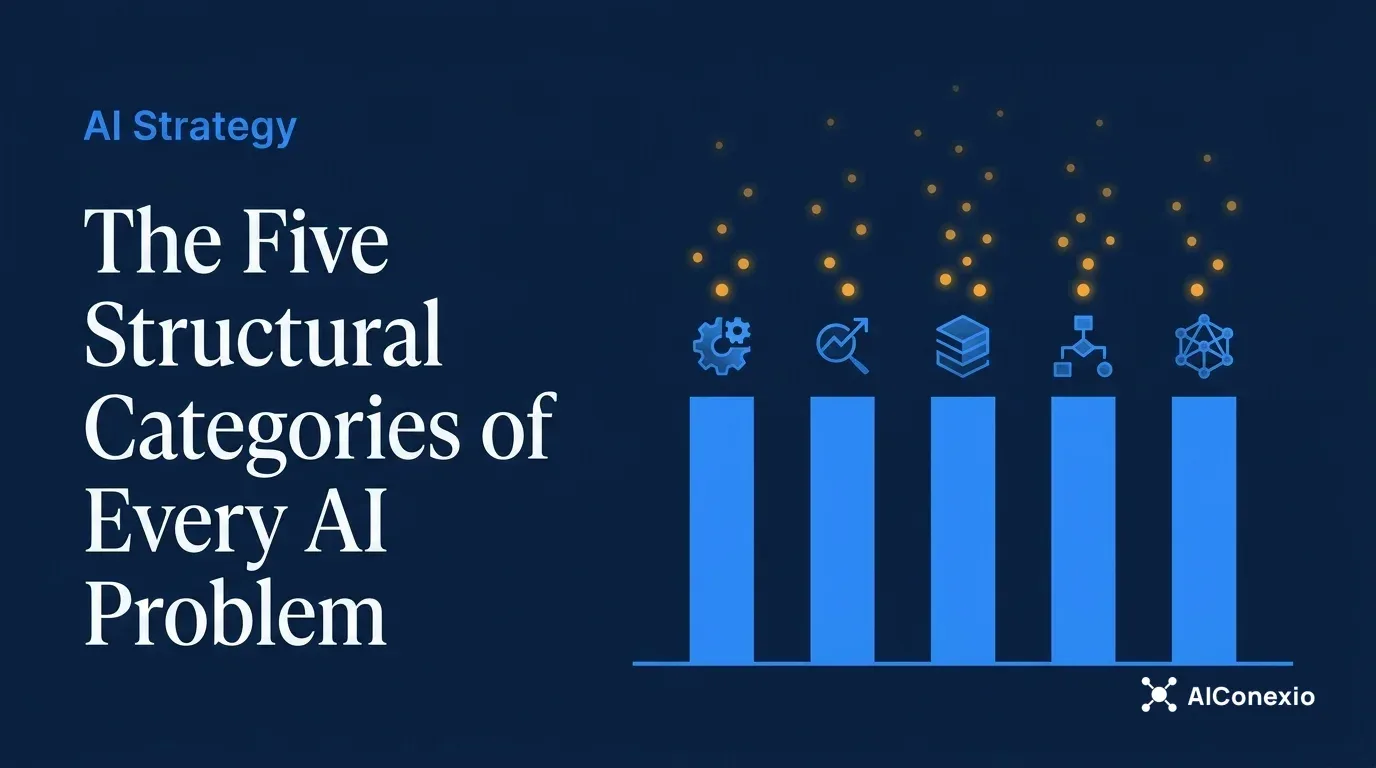
Our framework for Institutional AI is built on five core pillars:
- Strategy First: Use-case prioritization based on hard business value, not vendor hype.
- Architectural Discipline: A unified data layer and API-first approach that prevents tool sprawl.
- Process Maturity: Redesigning workflows for AI agency, not just automating manual tasks.
- Governance & Control: Policy and security standards that mitigate structural risk.
- Measured ROI: Connecting AI activity to margin, velocity, and capacity.
The Liability of "Experimental" Scale
When you scale AI without an institutional operating model, you are essentially scaling a liability. "Shadow AI", where employees use ungoverned public LLMs for proprietary data, creates a governance gap that can outweigh any efficiency win.
Without a centralized AI Task Force and a clear Architectural Standard, every new AI initiative adds complexity to your tech stack rather than compounding value across the organization.
The Roadmap to Institutionalization
The transition requires a 90-day pivot:
- Phase 1: Diagnosis: Audit current "Shadow AI" usage and baseline your organizational readiness.
- Phase 2: Structure: Define your "Approved Tech Stack" and draft your AI Acceptable Use Policy.
- Phase 3: Scale: Execute "Quick Win" pilots using your new institutional standards.
Conclusion
The future belongs to the organizations that act now to build structure. The question isn't whether AI will transform your industry, it's whether your organization has the institutional weight to lead that transformation.
Ready to baseline your organization? Take the AI Readiness Assessment
Was this article helpful?

About Eric Garza
With a distinguished career spanning over 30 years in technology consulting, Eric Garza is a senior AI strategist at AIConexio. They specialize in helping businesses implement practical AI solutions that drive measurable results.
Eric Garza has a proven track record of success in delivering innovative solutions that enhance operational efficiency and drive growth.